Pratima H
Ridiculous as it seemed to read a tweet some days back that inhaling air in Beijing is apparently equal to smoking 21 cigarettes a day, the joke boomeranged when today new findings on air pollution billowed up.
Yes – Air pollution has killed about 7 million people in 2012, making it the world’s single biggest environmental health risk, as per the World Health Organisation (WHO).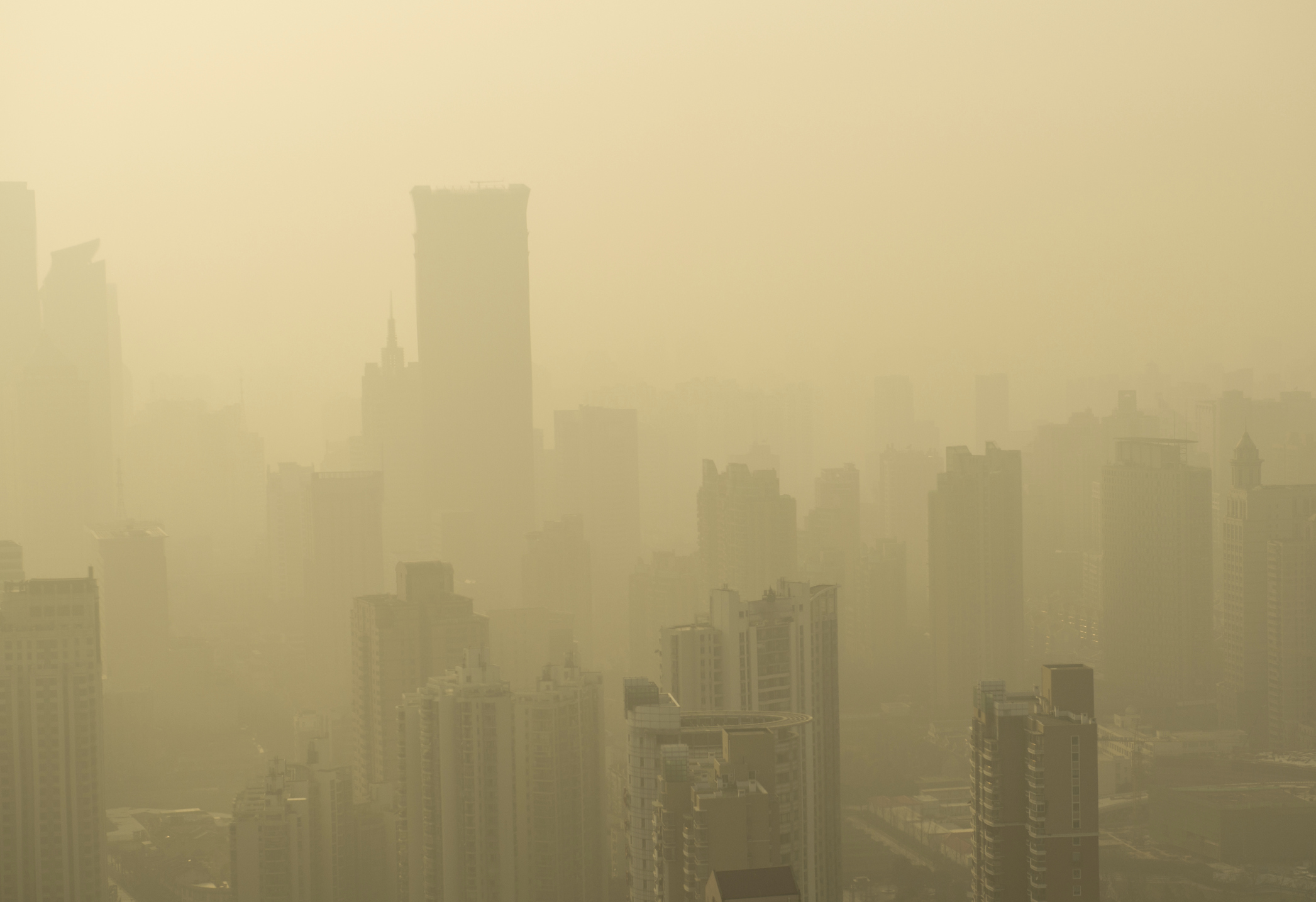
This can translate into something else – that one in eight of all global deaths in 2012 was linked to polluted air making it equally scary (in fact more scary) vis a vis heart disease, strokes or chronic obstructive pulmonary disease.
Think of deaths from lung cancer and acute respiratory infections and this is probably how a nightmare looks like.
Maria Neira, head of the WHO’s environmental and social public health department has already remarked that : The risks from air pollution are now far greater than previously thought or understood, particularly for heart disease and strokes.
It couldn’t get more spooky to find that outdoor air pollution exposure levels have risen significantly in some parts of the world, more so in regions with large populations going through rapid industrialisation, and now you can read – China and India.
Amidst this poltergeist around, industries of new spells are springing up – like face masks could be a multi-million dollar industry.
Air pollution in particular causes an estimated 350,000 to 500,000 premature deaths in China every year, as indicated in an article in medical journal ‘The Lancet’ co-authored by China’s former health minister, Chen Zhu. Corresponding to this consistently worsening state of air in concrete jungles, is a big face-mask industry growing in China.
 Demands for pushing a national standard for anti-smog face masks and other consumer associations’ noise is fuelling newsreeels for understandable reasons.
From something used only by factory-workers, to something as critical to wear as shoes, face masks reflect the worsened state of the cities people live in.
And you thought you are better off than your nicotine-addicted colleague?