From farm-to-table is a usual model for smart and planet-conscious businesses. What happens when the script is flipped? What happens when technology does it magic- from table-to-farm?
On the sidelines of Zinnov Confluence 2025, Purushottam Kaushik, Head, Centre for the Fourth Industrial Revolution, World Economic Forum, gives us a walk-about through some last mile impact-zones where technology is meeting real-world, and third-world, problems.
When you are sitting on a table like that of WEF what does the view of technology look like? Especially when we see healthcare and sustainability as salient themes at the forum? And more so, when we zoom in on a country like India that is still dealing with basic issues in many areas?
Our India centre is called the Centre for the 4th Industrial Revolution. It saw its incipient moments when Hon’ble PM Modi visited Davos and expressed desire for strong India anchors. Since 2020, we have shaped the journey in India with a dominant focus on regional impact. And both ‘regional’ and ‘impact’ are operative words here.
Expand on that please. Where does technology jump in?

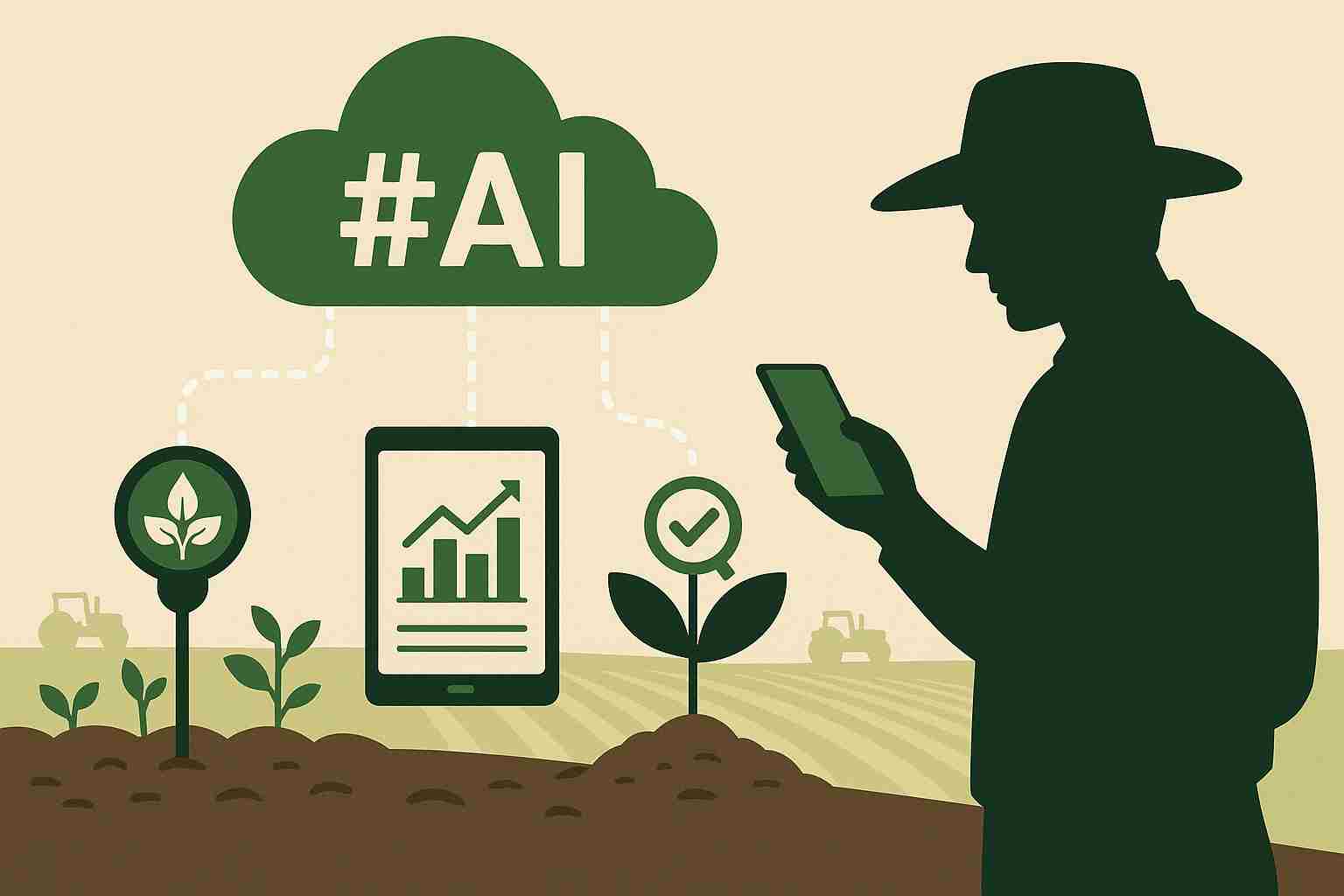
For instance, we have been leveraging AI for agriculture innovations. We have a case-of-impact where about 55,000 farmers over three years have gained from AI for soil health, for localised-whatsapp-easy advisories on fertilisers, for connecting farmers to buyers and for quality checks. There has been a staggering per acre incremental profit with jumps in price recovery and reduced cost (nine per cent) of fertilisers as well as a rise in yield per acre- because of all these tech-interventions. Saagu Baagu is a good example of all this work and we are now expanding it to more crop varieties. In Digital Green with support from the Telangana government, this initiative farmers gained from sessions in pest and disease management of chilli crops and received advisories through AI-based chatbots. In Soil testing – KrishiTantra provided AI-based soil testing services to a majority of the onboarded farmers. Quality testing was another major change-area wherein many farmers had got their samples tested and received quality certificates. This was a leap from the traditional practice of visual assessment since quality certificates are useful only if traders and buyers accept them.
Is Data the game-changer here?
Yes, and many times it can translate into a big difference. Consider how in India the biggest reason for cancer casualties and high cost of care is due to the gap in date of occurrence and date of diagnosis. In Meghalaya we have worked on a first cancer framework creating industrial revolution for transformation of cancer care. This approach galvanizes data, doctors and start-ups’ efforts. The Megh CAN Care project has been deployed in the last two years with about 11,000 cases detected for detailed investigations based on tech-checks on 85 per cent thresholds. It has meant a lot of progress – specially for an area (East Khasi Hills) that is the Cancer Capital of India. There are many other examples. Like use of drones for medicines in the sky in a region like Arunachal Pradesh that has a challenging geography. We also have an agricultural data exchange in Telangana that solves the biggest problem for agri start-ups- the availability and access to data (Weather, crop-stages, warehouses etc.). This exchange is a functional platform and farmers have benefitted a lot – like access to credit services.
What gaps does technology still face with on-ground work?
There have been challenges – like cases of false positives. This can create trust issues. We use regional institutions to create awareness. We use ASHA Health Care’s network for screenings – to cover the footprint we aim at.

What was your experience at the Davos meet like? What new concerns – if any- emerged in those discussions?
Davos is an amazing platform. This time geo-politics, understandably, was a big subject. But so was AI and energy. Specially energy sovereignty, costs, decisions on renewables, healthcare, food and climate. The top 2-3 themes – like Future of Jobs have remained the same. The mood among CEOs is bullish and dialogues are happening on top concerns like war, geopolitics and stability.
By Pratima H


Recent Comments